
Emerging fashion brands look to India as Bangladesh garment crisis rattles supply chains

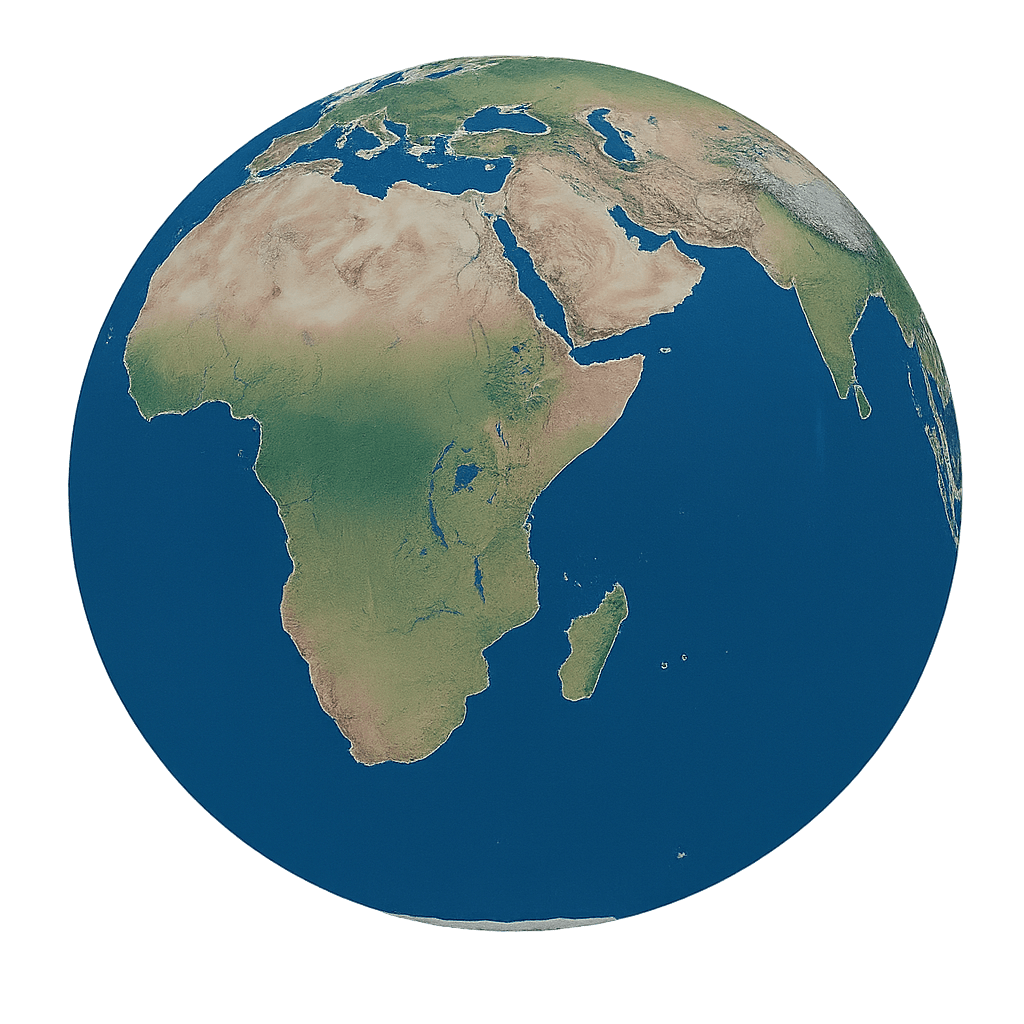
Factory disruptions in Bangladesh are pushing smaller fashion brands to seek more flexible sourcing options, with India gaining traction as an alternative. NoName is positioning its asset-light manufacturing model to help startups and emerging labels manage production risk and navigate India’s garment ecosystem.
Why it matters: - The Bangladesh garment crisis is disrupting production schedules, shipment commitments and sourcing reliability across global fashion supply chains. - Emerging fashion brands are more exposed than large retailers because they often depend on one or two factories, limited budgets and smaller order volumes. - Delays can derail collection launches, tie up working capital and cut into margins through extra shipping and rework costs. - Diversifying manufacturing locations has become a supply-chain resilience issue, not just a cost decision.
What happened: - Factory disruptions in Bangladesh are creating uncertainty for international apparel buyers during a key retail period. - Reuters reported in November 2026 that wage protests and clashes forced hundreds of garment factories to suspend operations. - Workers have been demanding an increase in the minimum monthly wage from 12,500 taka to 30,000 taka. - India is drawing more attention as brands look for alternative manufacturing destinations. - NoName, based in India, is marketing itself as a garment manufacturing and sourcing partner for emerging fashion brands.
The details: - Bangladesh employs about four million garment workers and generates more than 80% of its export earnings through ready-made apparel. - Global buyers rely on predictable manufacturing timelines to plan collections, control inventory and meet retail deadlines. - Large retailers can often reroute orders through broader supplier networks and dedicated sourcing teams. - Smaller labels often cannot replace a disrupted supplier quickly because alternative factories may not accept smaller runs on short notice. - India offers a broad textile and apparel base, with manufacturing clusters, fabric and yarn supply chains and skilled garment workers. - India supports categories including cotton T-shirts, sweatshirts, dresses, babywear and denim. - Entering a new sourcing market still requires supplier selection, sampling, fabric planning and quality control. - NoName was founded in 2018. - NoName coordinates fabric sourcing, product development and garment production through a lean, asset-light operating model. - The company offers flexible minimum order quantities for selected products and fabrics. - NoName says its model is designed to help brands work with manufacturing resources matched to product, material and order needs. - More information is available through the company's LinkedIn page, Instagram profile, Facebook page and YouTube channel.
Between the lines: - The crisis is accelerating a broader shift toward multi-country sourcing strategies. - India is not risk-free, but it offers brands a way to reduce dependence on a single manufacturing hub. - For emerging brands, the challenge is less about finding the cheapest factory and more about finding a partner that can absorb complexity and keep production moving. - NoName is positioning itself around that need for flexibility rather than around scale.
What's next: - More international buyers are likely to evaluate India as part of a diversified sourcing strategy. - Emerging brands will need partners that can handle smaller volumes, development support and production coordination without large upfront commitments. - The manufacturers that combine network access with flexibility may gain share as brands reassess sourcing risk.
The bottom line: - Bangladesh’s disruption is reminding fashion brands that supply-chain stability can matter as much as price, especially for startups and smaller labels.
Disclaimer: This article was produced by AGP Wire with the assistance of artificial intelligence based on original source content and has been refined to improve clarity, structure, and readability. This content is provided on an “as is” basis. While care has been taken in its preparation, it may contain inaccuracies or omissions, and readers should consult the original source and independently verify key information where appropriate. This content is for informational purposes only and does not constitute legal, financial, investment, or other professional advice.
Sign up for:
India Morning Times
The daily local news briefing you can trust. Every day. Subscribe now.
Check Your Email!
We sent a one-time activation link to: .
Confirm it's you by clicking the email link.
If the email is not in your inbox, check spam or try again.
Welcome back!
is already signed up. Check your inbox for updates.