

Dr. Rao Explains How Precision Radiosurgery and Multidisciplinary Care Are Advancing Brain AVM Treatment
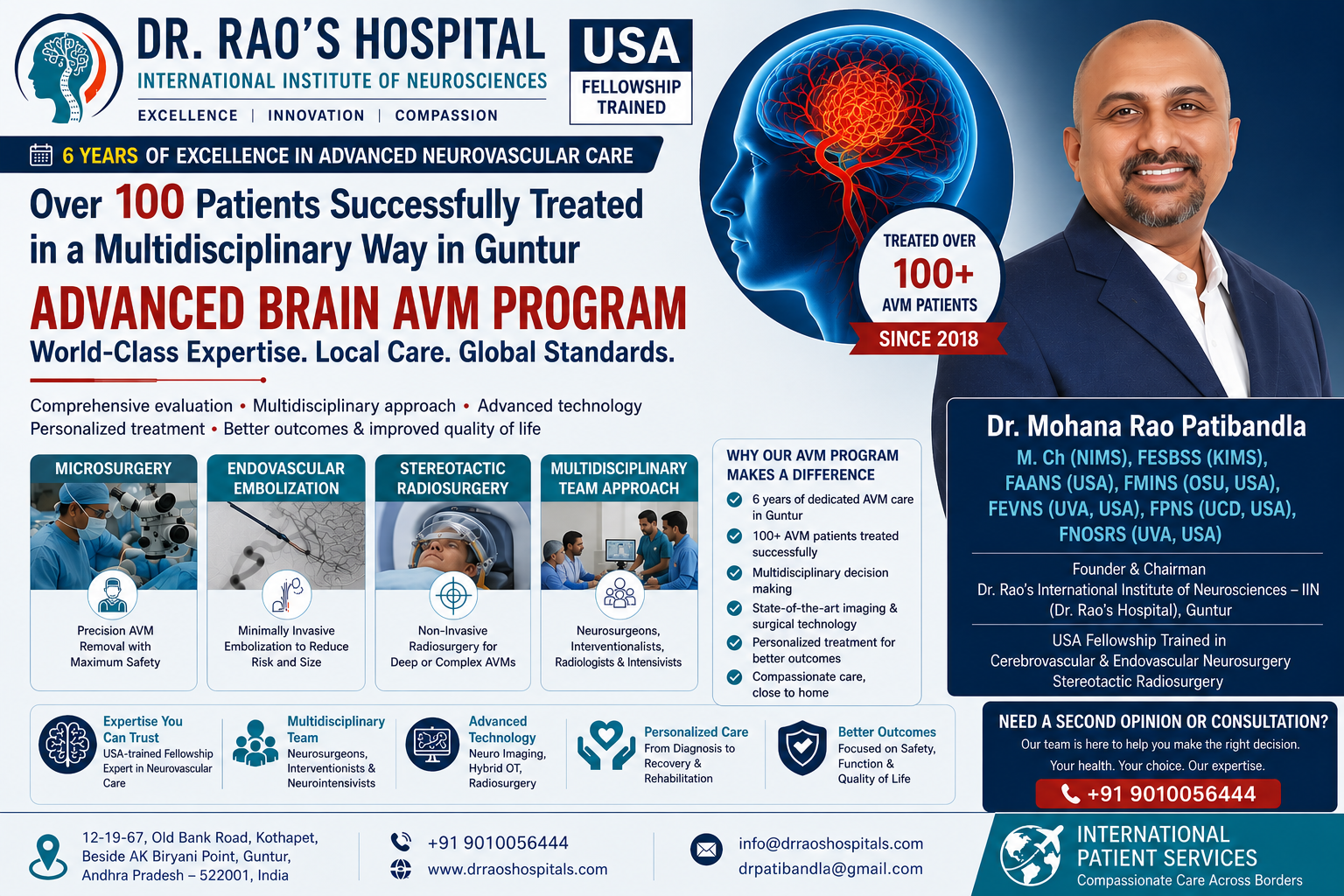
Over 100 patients with brain arteriovenous malformations (AVMs) have been treated through a personalized multidisciplinary approach at Dr. Rao's Hospital – International Institute of Neurosciences, where USA-trained neurosurgeon Dr. Rao integrates microsu
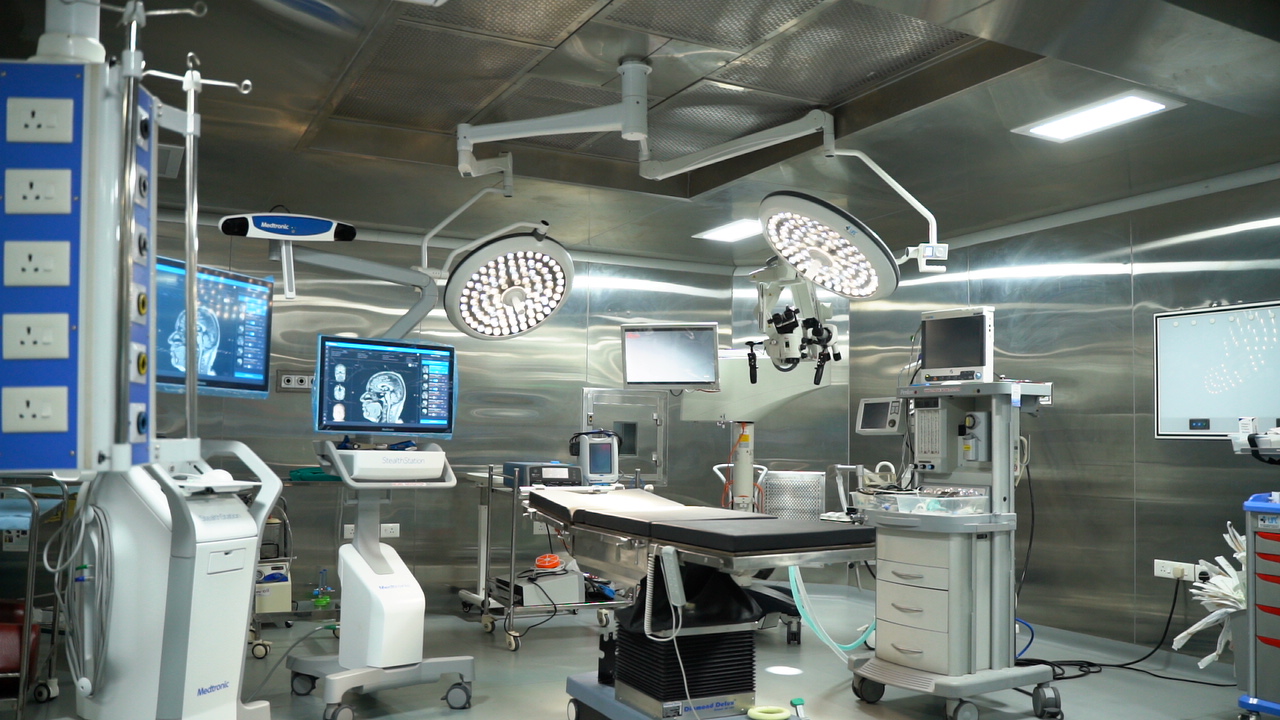
The high-tech neurosurgery operating room at Dr. Rao's Hospital, Guntur featuring advanced imaging and navigation systems for precise brain and spine surgeries.
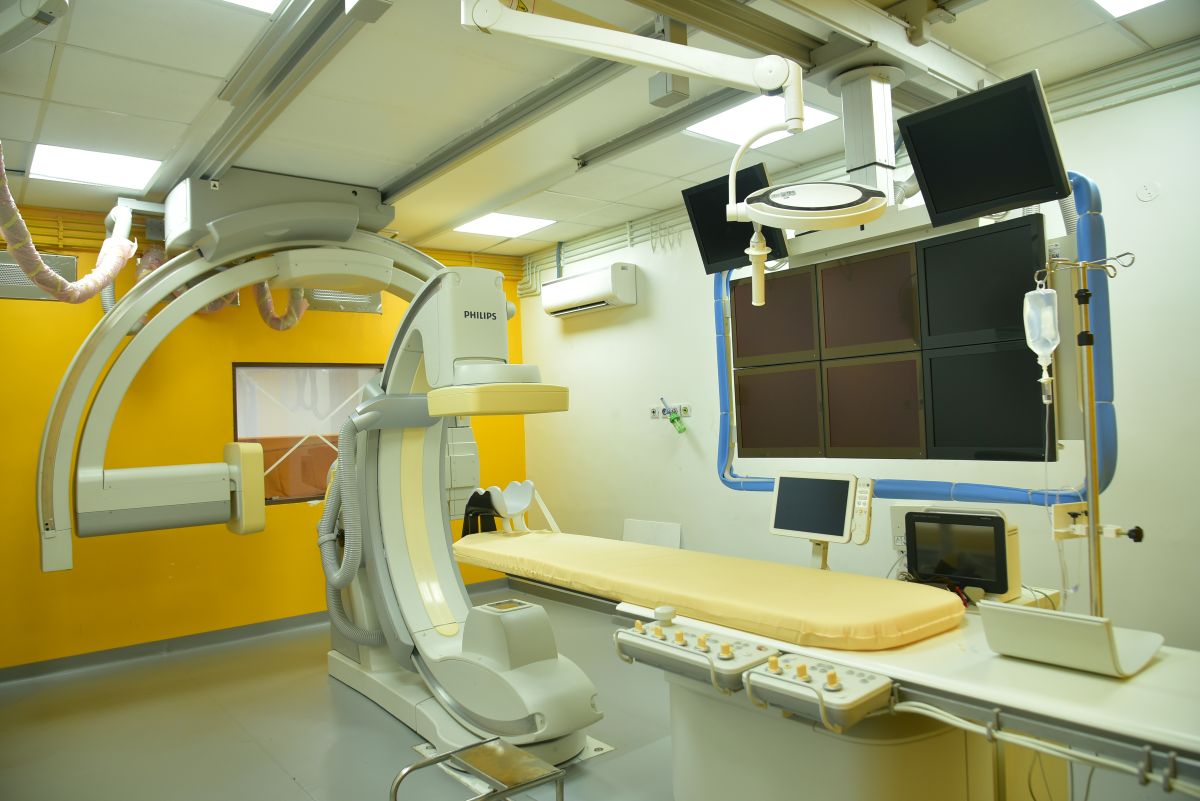
The advanced biplane cath lab at Dr. Rao's Hospital, designed for precision neurovascular procedures and minimally invasive surgeries, first in Andhra Pradesh and Telangana in India.

Dr. Mohana Rao Patibandla, Founder & Chairman of Dr. Rao's Hospital – International Institute of Neurosciences (IIN), featured in SiliconIndia Healthcare's Top 10 Neurosurgeons in India 2026 cover story.
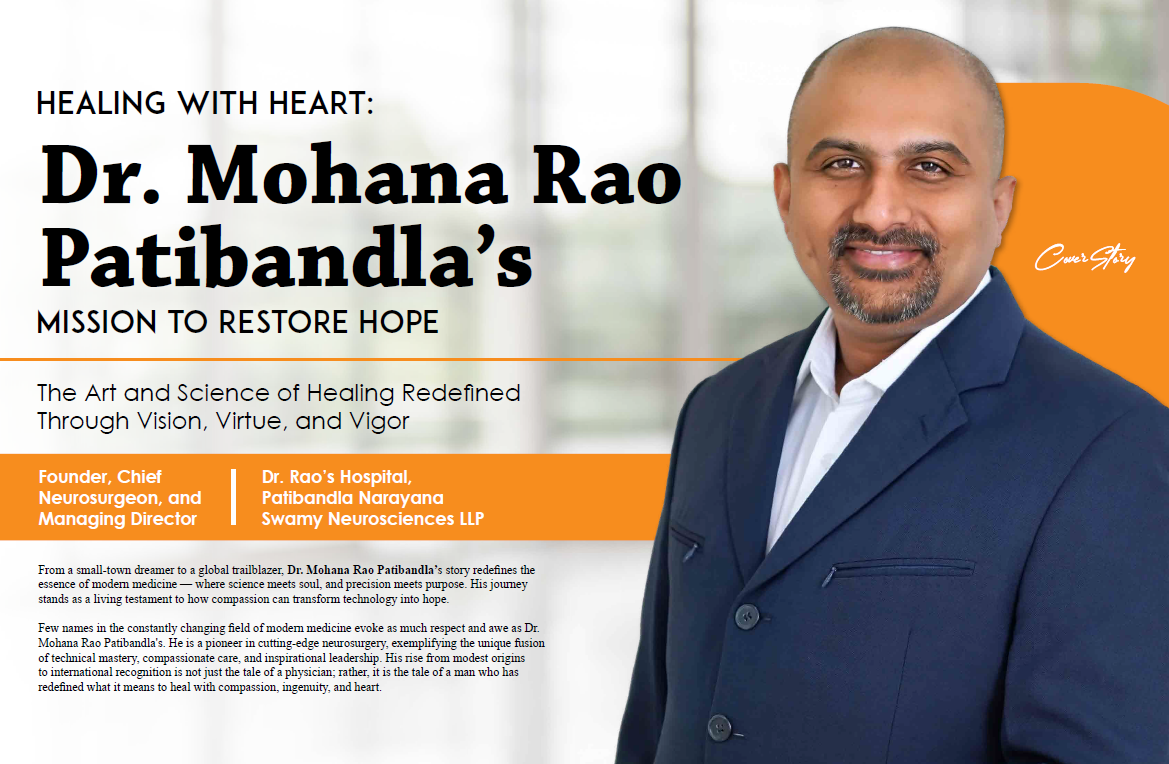
Healing with Heart” — Dr. Mohana Rao Patibandla’s inspiring cover story in The Enterprise World, highlighting his mission to restore hope through neurosurgery
USA-trained neurosurgeon Dr. Rao translates international AVM research into practical guidance, explaining personalized, evidence-based treatment.
USA-Trained Neurosurgeon Explains Why Every Brain AVM Requires Individualized Care and How Stereotactic Radiosurgery Has Expanded Treatment Options for Carefully Selected Patients
GUNTUR, Andhra Pradesh, India – July 2026 – A brain arteriovenous malformation (AVM) is often discovered without warning. Some patients experience severe headaches, seizures, or neurological symptoms, while others first learn they have an AVM only after a life-threatening brain hemorrhage. For many families, the diagnosis immediately raises a frightening question: "Does this mean I need brain surgery?"
According to Dr. Mohana Rao Patibandla (Dr. Rao), Founder and Chief Neurosurgeon at Dr. Rao's Hospital – International Institute of Neurosciences, the answer is increasingly "not always."
Modern cerebrovascular neurosurgery has evolved dramatically over the past three decades. Today, patients with brain AVMs may benefit from several evidence-based treatment options—including microsurgery, endovascular embolization, stereotactic radiosurgery (SRS), or, in carefully selected cases, observation. The most appropriate treatment depends on the characteristics of the AVM and the individual patient, rather than a one-size-fits-all approach.
Drawing upon advanced fellowship training in stereotactic radiosurgery and cerebrovascular/endovascular neurosurgery in the United States, along with internationally published research involving leading academic institutions, Dr. Rao believes the greatest advancement in AVM care is not simply the availability of new technology—it is the ability to make more personalized, evidence-based treatment decisions.
"Every brain AVM is unique. Modern neuroscience has given us multiple treatment options, but our responsibility is to recommend the treatment that offers the greatest opportunity for long-term safety while preserving neurological function and quality of life. Precision begins with judgment, not technology alone," said Dr. Rao.
What Is a Brain Arteriovenous Malformation?
An arteriovenous malformation (AVM) is an abnormal tangle of blood vessels in which arteries connect directly to veins without the normal network of tiny capillaries between them. This abnormal connection exposes veins to unusually high blood pressure, increasing the risk of rupture and bleeding into the brain.
Although AVMs are relatively uncommon, they are one of the important causes of hemorrhagic stroke, particularly in children and younger adults. Some AVMs remain silent for years, while others present with seizures, persistent headaches, weakness, vision changes, or sudden neurological deterioration following intracranial hemorrhage.
One of the greatest challenges in managing AVMs is that no two lesions are exactly alike. Their size, location, blood flow characteristics, relationship to critical brain structures, and history of previous bleeding all influence treatment decisions.
Why Every AVM Is Different
For many years, treatment recommendations focused primarily on removing the abnormal blood vessels through open microsurgery. While microsurgery remains the most appropriate option for many patients, advances in cerebrovascular science have demonstrated that treatment should be individualized.
Today's specialists evaluate several important factors before recommending therapy, including:
Whether the AVM has previously ruptured
The patient's age and overall health
The size and complexity of the AVM
Its location within the brain
The risk of future hemorrhage
Potential neurological consequences of treatment
The patient's personal goals and preferences
This comprehensive evaluation helps determine whether surgery, stereotactic radiosurgery, endovascular embolization, a combination of treatments, or careful observation offers the safest and most effective strategy.
Understanding Stereotactic Radiosurgery
Despite its name, stereotactic radiosurgery is not conventional surgery.
There are no incisions, no stitches, and no removal of part of the skull. Instead, highly focused beams of radiation are directed toward the AVM using advanced imaging, sophisticated treatment planning, and submillimeter precision.
Over time, the radiation causes gradual thickening and closure of the abnormal blood vessels, reducing the risk of future bleeding. Because this process occurs progressively, patients require careful long-term follow-up with imaging until complete obliteration is confirmed.
Stereotactic radiosurgery has become an important treatment option for many AVMs that are difficult to access surgically or located in regions where open surgery carries a higher risk of neurological injury.
However, Dr. Rao emphasizes that radiosurgery is not appropriate for every AVM.
"The decision depends upon multiple clinical factors," he explained. "Our objective is not simply to eliminate an AVM, but to achieve that goal while minimizing risk and preserving the patient's neurological function."
From International Research to Better Patient Care
During his fellowship training in stereotactic radiosurgery in the United States, Dr. Rao collaborated with internationally recognized experts in cerebrovascular neurosurgery and contributed to research involving patients treated across leading academic medical centers.
These studies examined important questions surrounding stereotactic radiosurgery for brain AVMs, including outcomes in children with high-grade AVMs, management of complex Spetzler-Martin Grade IV and V AVMs, and the evolution of radiosurgical outcomes across large international multicenter cohorts. Together, this body of research highlights both the strengths and the limitations of stereotactic radiosurgery and reinforces an important principle: careful patient selection is fundamental to achieving the best possible outcomes.
Unlike simplified messages suggesting that one treatment is superior for every patient, the published evidence demonstrates that AVM management often requires individualized planning, multidisciplinary expertise, and, in selected cases, a combination of treatment approaches
From International Research to Personalized Patient Care
One of the most important lessons modern medicine has taught us is that the best treatment is not always the newest treatment, nor is it always the most aggressive one. It is the treatment that offers the greatest balance between effectiveness, safety, and preservation of quality of life for that individual patient.
This philosophy is especially important when treating brain arteriovenous malformations (AVMs).
Although AVMs share a common diagnosis, they differ enormously in size, location, blood flow characteristics, previous bleeding history, and relationship to critical brain structures. An AVM located near the brainstem presents a very different challenge from one located in a non-eloquent area of the brain. Likewise, the treatment priorities for a child with a high-grade AVM may differ significantly from those of an older adult with an incidentally discovered lesion.
For this reason, modern cerebrovascular neurosurgery has moved away from asking "What treatment do we perform?" to asking "Which treatment will provide the safest long-term outcome for this particular patient?"
That subtle difference has transformed the field.
Evidence Helps Guide Better Decisions
During my fellowship training in stereotactic radiosurgery and cerebrovascular neurosurgery in the United States, I had the privilege of working alongside internationally respected experts who helped shape many of today's evidence-based approaches to treating cerebrovascular diseases.
My research journey allowed me to collaborate in multicenter studies involving patients treated across leading academic institutions, examining stereotactic radiosurgery for pediatric AVMs, complex high-grade AVMs, and large international cohorts of patients undergoing radiosurgical treatment. These collaborations reinforced an important message that remains relevant today: successful AVM treatment depends not simply on advanced technology, but on careful patient selection, meticulous treatment planning, and long-term follow-up.
Scientific research rarely produces simple "yes" or "no" answers. Instead, it helps physicians understand which treatments work best under specific clinical circumstances.
For patients, this means that recommendations are increasingly based on robust clinical evidence rather than a one-size-fits-all approach.
Why One Treatment Does Not Fit Every Patient
Families often ask,
"Doctor, which treatment is the best?"
The honest answer is that there is no universally best treatment.
There is only the best treatment for a particular patient.
Some AVMs are located in areas where microsurgical removal can provide an immediate cure with an acceptable level of risk.
Others are deeply situated within the brain, where open surgery may carry a greater chance of neurological injury. In carefully selected patients, stereotactic radiosurgery offers an opportunity to gradually close the abnormal blood vessels without making an incision.
Certain AVMs benefit from endovascular embolization, where specialized catheters are used to reduce blood flow before surgery or radiosurgery. In selected situations, embolization itself may form an important part of the overall treatment strategy.
For a small number of patients—particularly those with incidental AVMs where the risks of intervention may outweigh the expected benefits—careful observation with regular imaging may be the most appropriate recommendation.
Modern neuroscience is no longer about proving that one treatment is superior to another.
It is about matching the right treatment to the right patient at the right time.
Precision Medicine Is More Than Advanced Technology
The term "precision medicine" is often associated with sophisticated equipment or artificial intelligence.
In reality, precision begins much earlier.
It begins with listening.
Understanding a patient's symptoms, neurological examination, imaging findings, personal goals, occupation, age, family circumstances, and future expectations are all part of precision medicine.
Technology provides valuable tools.
Clinical judgment determines how those tools should be applied.
Artificial intelligence may help identify anatomical details on imaging.
Neuronavigation may improve surgical accuracy.
Stereotactic radiosurgery may precisely target abnormal blood vessels.
Yet none of these technologies can replace thoughtful decision-making or compassionate communication.
Every MRI represents a person—not merely an image.
Every treatment plan should reflect the individual's life, not just their diagnosis.
The Strength of Multidisciplinary Care
One of the greatest advances in cerebrovascular medicine has been the evolution of multidisciplinary care.
Rather than relying on the opinion of a single physician, complex AVMs are increasingly evaluated by teams that include neurosurgeons, endovascular specialists, radiation oncologists, neuroradiologists, neurologists, neuro-anesthesiologists, neurocritical care physicians, rehabilitation specialists, and experienced nursing professionals.
Each specialist contributes a different perspective.
Together, they help patients understand not only the potential benefits of treatment but also its limitations and possible risks.
This collaborative approach ensures that recommendations are guided by scientific evidence and individualized patient factors rather than personal preference.
In many ways, the multidisciplinary discussion is as important as the treatment itself.
Research Should Change Lives—Not Just Literature
Research has always been an integral part of my professional journey. My work has contributed to internationally published research across several areas of modern neurosurgery, including cerebrovascular diseases such as arteriovenous malformations (AVMs) and dural arteriovenous fistulas, brain tumours, skull base lesions, stereotactic radiosurgery, pituitary disorders such as Cushing's disease and acromegaly, epidermoid cysts, and other complex neurosurgical conditions.
However, I have never viewed research as an end in itself.
Every scientific study begins with a clinical question that ultimately seeks to improve patient care. Whether evaluating outcomes after stereotactic radiosurgery, refining treatment strategies for complex cerebrovascular disorders, or studying challenging skull base pathologies, the purpose remains the same—to generate evidence that helps physicians make more informed decisions and enables patients to better understand their treatment options.
Scientific knowledge achieves its greatest value only when it moves beyond academic journals and translates into safer treatments, clearer communication, and better outcomes for patients and their families.
That, ultimately, is the purpose of research.
Empowering Patients Through Knowledge
One of the greatest barriers patients face after receiving an AVM diagnosis is uncertainty.
The internet often provides conflicting information. Families frequently encounter alarming stories that may not reflect their own condition.
Education therefore becomes an essential part of treatment.
Patients should understand that:
Not every AVM requires immediate intervention.
Not every AVM requires open brain surgery.
Stereotactic radiosurgery is an effective treatment for carefully selected patients but is not appropriate for every AVM.
Long-term follow-up remains essential regardless of the treatment chosen.
Treatment decisions should ideally be made by an experienced multidisciplinary cerebrovascular team after careful evaluation.
Informed patients make better decisions, ask better questions, and participate more confidently in their own care.
A Philosophy That Extends Beyond Technology
Reflecting on his years of international training, research, and clinical practice, Dr. Rao believes that the greatest progress in neurosurgery has not been the development of increasingly sophisticated equipment—it has been the evolution of clinical decision-making.
"Throughout my journey in neurosurgery, one principle has remained constant. Every patient deserves individualized, evidence-based care. Technology has transformed what we can do, but wisdom lies in knowing when to operate, when to perform stereotactic radiosurgery, when to recommend endovascular treatment, and when careful observation is the safest course. The future of neuroscience belongs not to the most aggressive treatment, but to the most appropriate treatment for each patient."
— Dr. Mohana Rao Patibandla (Dr. Rao)
When Should Patients Seek Medical Attention?
Individuals should seek prompt neurological evaluation if they experience:
Sudden severe headache unlike previous headaches
New-onset seizures
Weakness or numbness on one side of the body
Difficulty speaking or understanding speech
Vision disturbances
Unexplained balance or coordination problems
Sudden loss of consciousness
Early diagnosis allows patients to receive timely evaluation and discuss all available treatment options before complications occur.
About Dr. Rao
Dr. Mohana Rao Patibandla (Dr. Rao) is a USA-trained neurosurgeon and the Founder and Chief Neurosurgeon of Dr. Rao's Hospital – International Institute of Neurosciences, Guntur, Andhra Pradesh, India. Following neurosurgical training in India, he completed advanced fellowship training in the United States in stereotactic radiosurgery, skull base surgery, minimally invasive neurosurgery, pediatric neurosurgery, neuro-oncology, and cerebrovascular/endovascular neurosurgery.
His clinical practice focuses on evidence-based, patient-centered care across the spectrum of brain, spine, and cerebrovascular disorders. Dr. Rao has contributed to internationally peer-reviewed research in cerebrovascular diseases, stereotactic radiosurgery, brain tumors, skull base surgery, pituitary disorders, and other complex neurosurgical conditions, collaborating with leading academic institutions worldwide.
About Dr. Rao's Hospital – International Institute of Neurosciences
Dr. Rao's Hospital – International Institute of Neurosciences is a comprehensive neuroscience center dedicated to advanced brain, spine, stroke, and nerve care. The hospital integrates modern diagnostic technology, minimally invasive surgical techniques, stereotactic radiosurgery, endovascular neurosurgery, neurocritical care, and multidisciplinary treatment planning to deliver individualized care for patients with complex neurological disorders.
Media Contact
Dr. Rao's Hospital – International Institute of Neurosciences
12-19-67, Old Bank Road, Kothapet,
Beside AK Biryani Point, Guntur, Andhra Pradesh, India
Phone: +91 9010056444
Email: info@drraoshospitals.com | drpatibandla@gmail.com
Website: https://drraoshospitals.com
References
Patibandla MR, Ding D, Xu Z, et al. Stereotactic Radiosurgery for Pediatric High-Grade Brain Arteriovenous Malformations: Our Experience and Review of the Literature. World Neurosurgery. 2017.
Patibandla MR, Ding D, Kano H, et al. Effect of Treatment Period on Outcomes After Stereotactic Radiosurgery for Brain Arteriovenous Malformations: An International Multicenter Study. Journal of Neurosurgery. 2018.
Patibandla MR, Ding D, Kano H, et al. Stereotactic Radiosurgery for Spetzler-Martin Grade IV and V Arteriovenous Malformations: An International Multicenter Study. Journal of Neurosurgery. 2018.
Additional peer-reviewed publications by Dr. Mohana Rao Patibandla and international collaborators on stereotactic radiosurgery, cerebrovascular diseases, and complex neurosurgical disorders.
Mohana Rao Patibandla
Patibandla Narayana Swamy Neurosciences LLP
+ +91 90100 56444
info@drraoshospitals.com
Visit us on social media:
LinkedIn
Instagram
Facebook
YouTube
X
The best stroke treatment in Guntur - DR Rao's Hospital International Institute of Neurosciences (IIN)
Legal Disclaimer:
EIN Presswire provides this news content "as is" without warranty of any kind. We do not accept any responsibility or liability for the accuracy, content, images, videos, licenses, completeness, legality, or reliability of the information contained in this article. If you have any complaints or copyright issues related to this article, kindly contact the author above.
