
BRICS Culture Conference Positions Madhya Pradesh at the Centre of Global Cultural Dialogue
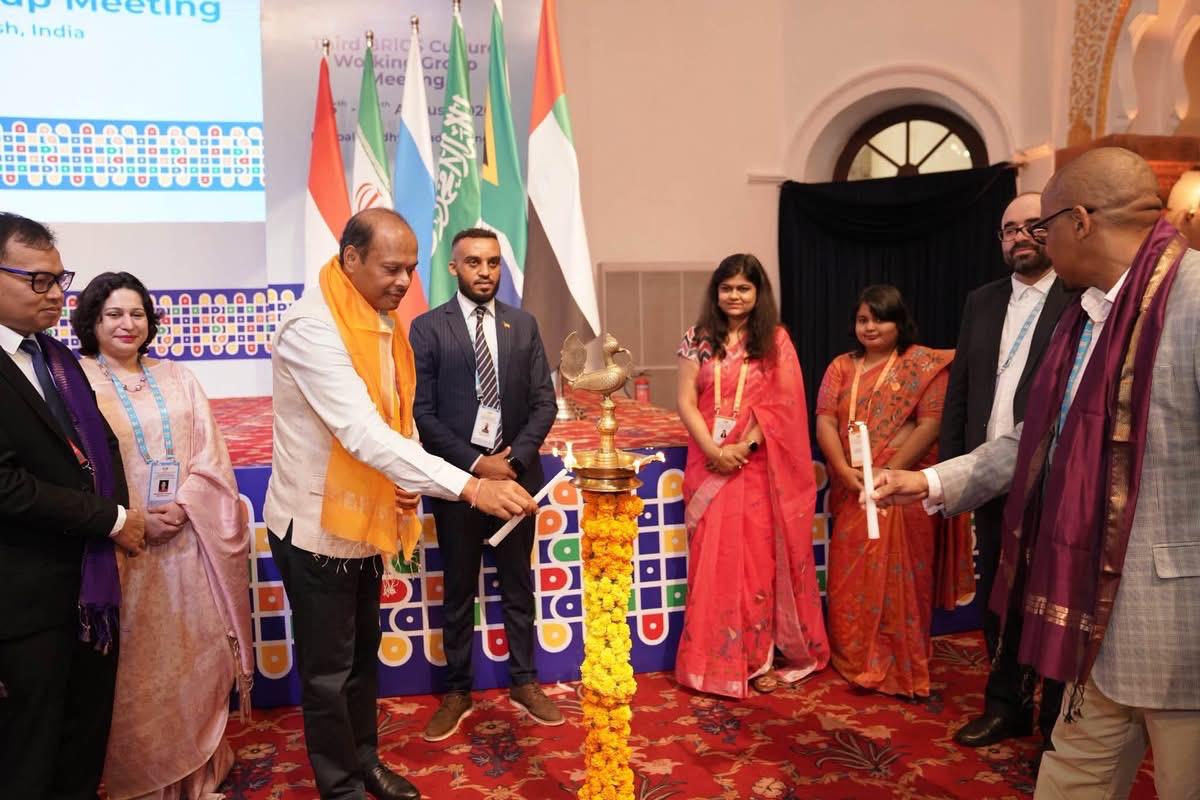
BRICS Culture Conference 2026 Inaugural - Madhya Pradesh
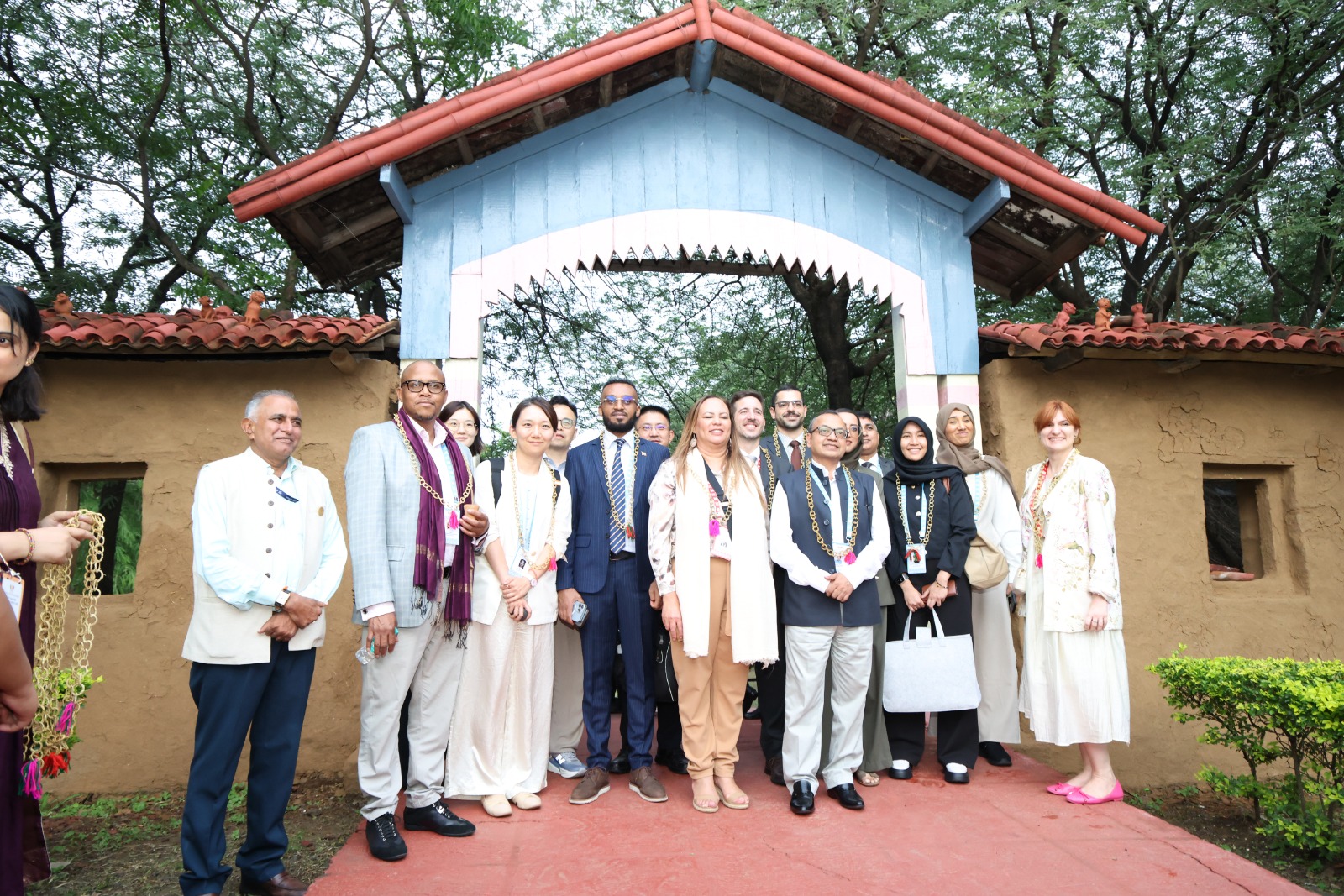
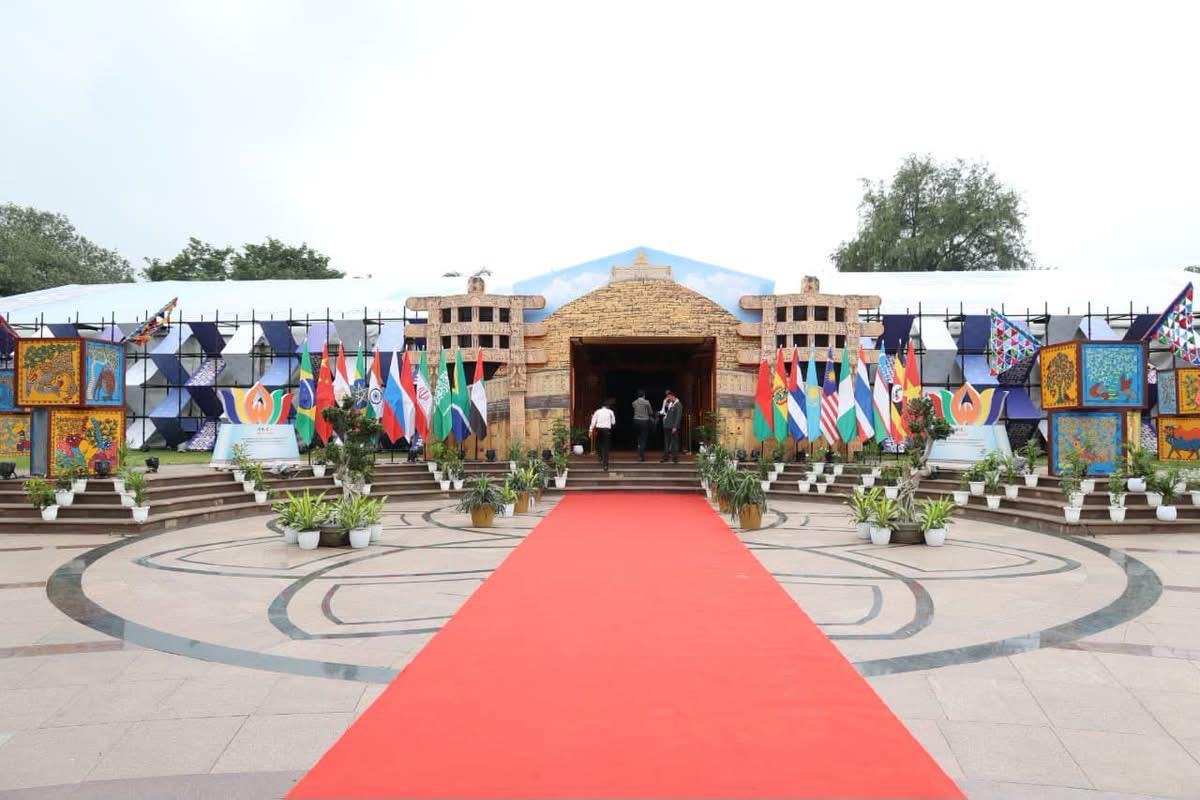
The Delegation attending the BRICS Culture Conference
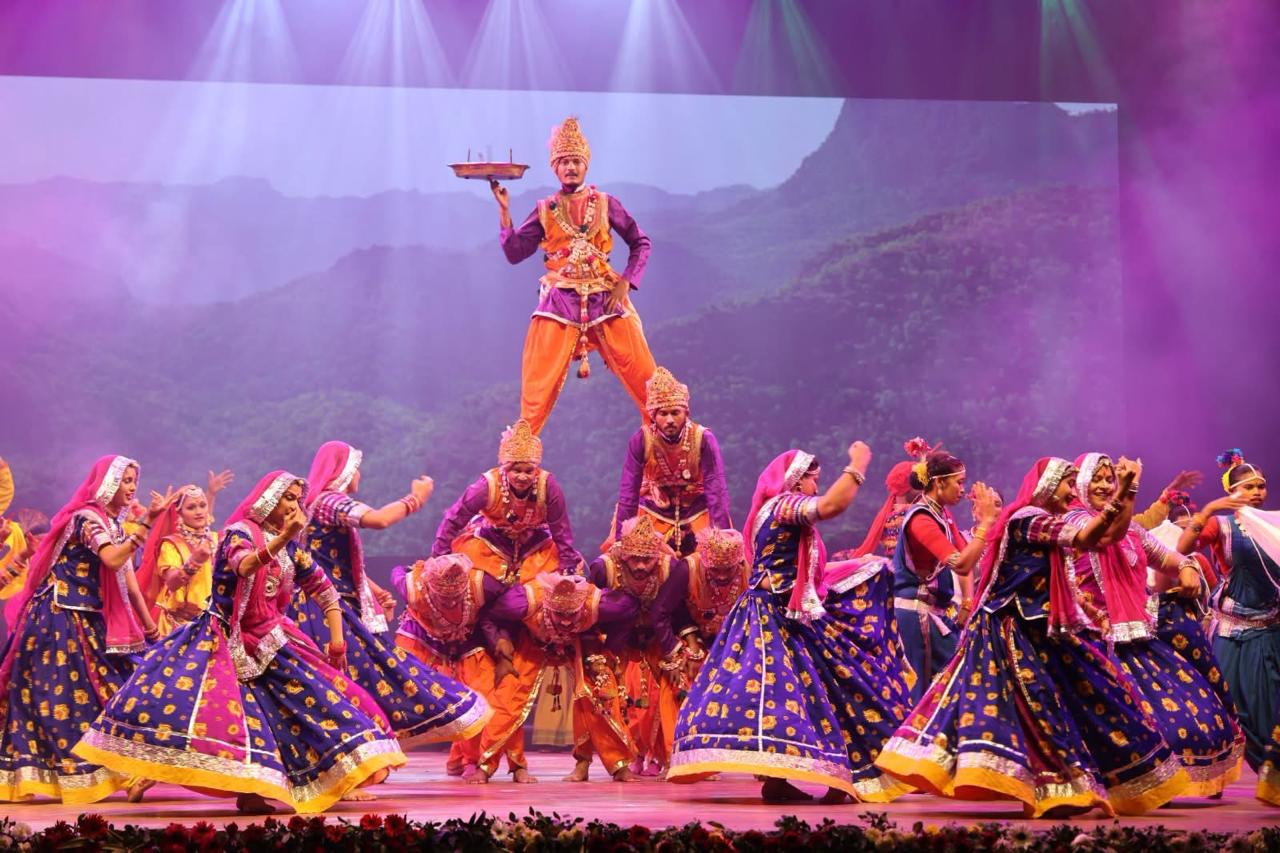
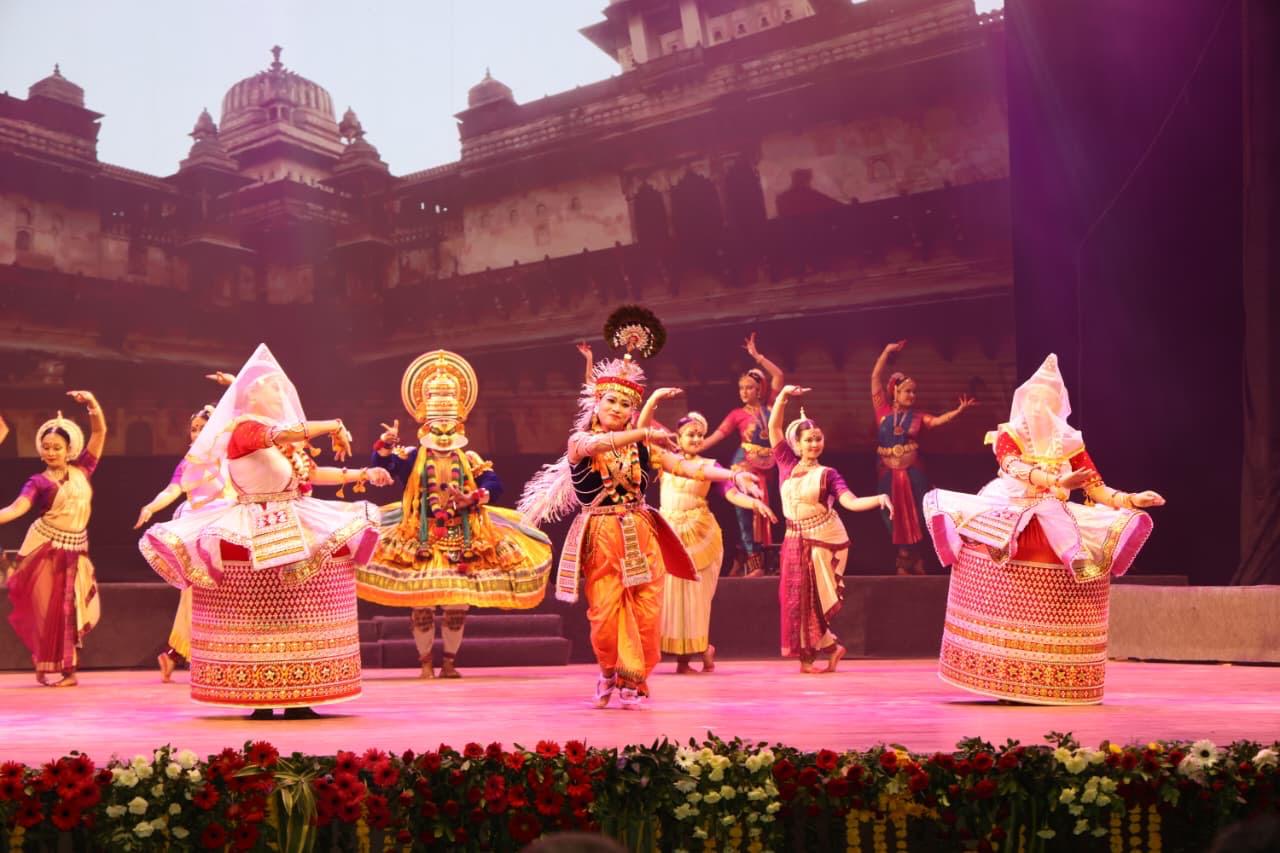
Cultural Performance at the event
Showcasing India's civilizational legacy while positioning Madhya Pradesh as a gateway to its living heritage.
BHOPAL, MADHYA PRADESH, INDIA, August 10, 2026 /EINPresswire.com/ -- As representatives from BRICS nations gathered in Bhopal for the BRICS Culture Conference 2026, Madhya Pradesh emerged as a focal point for international cultural dialogue and heritage diplomacy. Hosted at the Kushabhau Thackeray International Convention Centre from 5–8 August, the conference brought together policymakers, cultural institutions, scholars and delegates to explore the shared histories, knowledge traditions and cultural exchanges that continue to shape cooperation among BRICS nations.At the heart of the conference were three specially curated exhibitions—Project Mausam, Brihattar Bharat and Gyan Bharatam—which collectively presented India's maritime legacy, cultural linkages and intellectual traditions through immersive displays and interactive experiences. Rather than viewing history as a collection of isolated events, the exhibitions illustrated how centuries of trade, scholarship, spirituality and artistic exchange had connected India with regions across Asia, Africa and the Indian Ocean, reinforcing culture as a powerful medium for international engagement and mutual understanding.
Project Mausam highlighted the historic maritime routes shaped by the monsoon winds, tracing centuries of cultural and commercial interaction across the Indian Ocean. Through research, conservation initiatives and digital storytelling, the exhibition demonstrated how ancient sea routes facilitated not only trade but also the exchange of ideas, faiths and traditions among civilizations. Interactive installations encouraged visitors to explore shared heritage sites and understand the enduring significance of these historical connections in today's global context.
The Brihattar Bharat exhibition presented India's longstanding cultural relationships with countries across Asia and beyond, showcasing how philosophy, religion, architecture, literature and the arts transcended geographical boundaries over centuries. Featuring examples from Indonesia, Thailand, Vietnam, Malaysia and other regions, the exhibition illustrated India's historical role in fostering cultural dialogue while highlighting the universal values of knowledge exchange and peaceful coexistence.
Complementing these narratives, Gyan Bharatam demonstrated India's commitment to preserving and digitizing its vast manuscript heritage. The initiative combined traditional scholarship with modern technologies, including artificial intelligence, to safeguard rare manuscripts spanning mathematics, philosophy, literature, linguistics and spirituality. By making these invaluable knowledge resources accessible for research and future generations, the exhibition reflected India's continuing investment in protecting one of the world's richest intellectual traditions.
Adding a distinct tourism dimension to the conference was the Madhya Pradesh Pavilion, which emerged as a major attraction for delegates from India and abroad. Inspired by the iconic gateway of the UNESCO World Heritage Site of Sanchi, the pavilion introduced visitors to one of India's most culturally and ecologically diverse destinations. Through immersive displays, destination films and curated promotional material, delegates were presented with the State's diverse tourism landscape, encompassing the Khajuraho Group of Monuments, the Rock Shelters of Bhimbetka, historic cities such as Mandu, Orchha, Gwalior and Maheshwar, as well as its renowned tiger reserves, national parks, waterfalls and eco-tourism destinations.
For international delegates, the conference offered more than an exploration of India's cultural heritage. It provided an opportunity to discover Madhya Pradesh as a destination where archaeology, spirituality, wildlife, tribal traditions and living cultural practices coexist, creating experiences that resonate with today's global traveler seeking authenticity and meaningful engagement. The conference also strengthened opportunities for future collaborations in tourism, cultural exchange, heritage conservation and academic research among BRICS member countries.
The program also featured a vibrant Cultural Parade with delegations from Belarus, Brazil, Indonesia, the Russian Federation, the United Arab Emirates and the host nation India, symbolizing global unity and cultural harmony.
Artists from the Gennady Tsitovich National Academic Folk Choir of the Republic of Belarus enthralled the audience with traditional Belarusian folk songs and humorous folk dances.
Representing Brazil, performers showcased the Afro-Brazilian cultural tradition of Capoeira, presenting a unique blend of martial arts, dance, music and acrobatics.
The Indonesian delegation performed the traditional Balinese welcome dance Puspanjali, followed by the renowned Javanese dance drama "The Legend of Roro Jonggrang," inspired by the historic Prambanan Temple.
Soloists from the National Academic Folk Instruments Orchestra of Russia presented a musical performance using traditional Russian instruments such as the balalaika, bayan, alto domra and contrabass balalaika.
Representing the United Arab Emirates, renowned musician Saif Al-Ali performed Emirati and Arab musical traditions enriched with contemporary influences.
India presented "Maru Rang – The Heritage of Rajasthan," featuring colorful folk dances including Ghoomar, Chari, Kalbelia and Bhavai, showcasing the rich folk traditions and vibrant cultural heritage of Rajasthan.
Also on stage were the rich traditions of both Hindustani and Carnatic music, followed by the evocative BRICS Peace Song, presented by artists from the participating countries. Together, these performances underscored the festival's spirit of cultural exchange, unity and global harmony. The cultural presentation reached its crescendo with 'Amritasya MP', a vibrant dance-theatre production that brought together the grace of Bharatanatyam, Mohiniyattam and Manipuri with the dynamism of martial arts and the earthy traditions of tribal forms such as Badhai and Baredi. The performance unfolded the story of Madhya Pradesh as a living cultural landscape—where heritage extends beyond monuments, finds expression in its forests and tribal traditions, and remains deeply intertwined with the rhythms and beauty of nature.
As BRICS nations continued to deepen cooperation through culture and people-to-people engagement, the conference reinforced the growing role of heritage as a bridge between civilizations. By hosting this important gathering, Madhya Pradesh not only showcased India's enduring civilizational legacy but also strengthened its position as an emerging global destination where history, culture, conservation and international dialogue converge.
ZM
Madhya Pradesh Tourism Board
email us here
Visit us on social media:
LinkedIn
Instagram
Facebook
YouTube
X
The Ancient Marvels of #madhyapradesh | #ajabgajabmp | MP Tourism
Legal Disclaimer:
EIN Presswire provides this news content "as is" without warranty of any kind. We do not accept any responsibility or liability for the accuracy, content, images, videos, licenses, completeness, legality, or reliability of the information contained in this article. If you have any complaints or copyright issues related to this article, kindly contact the author above.
